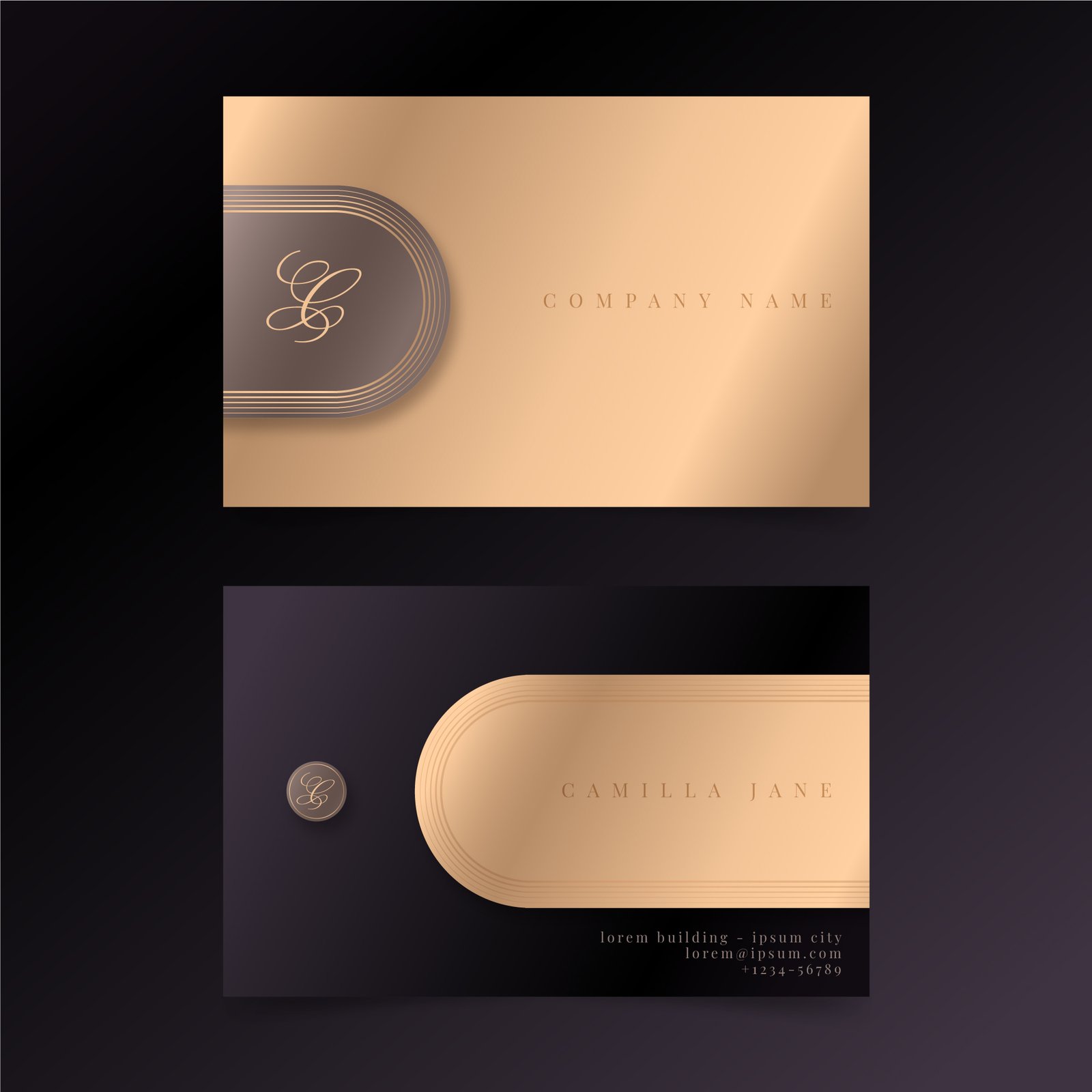
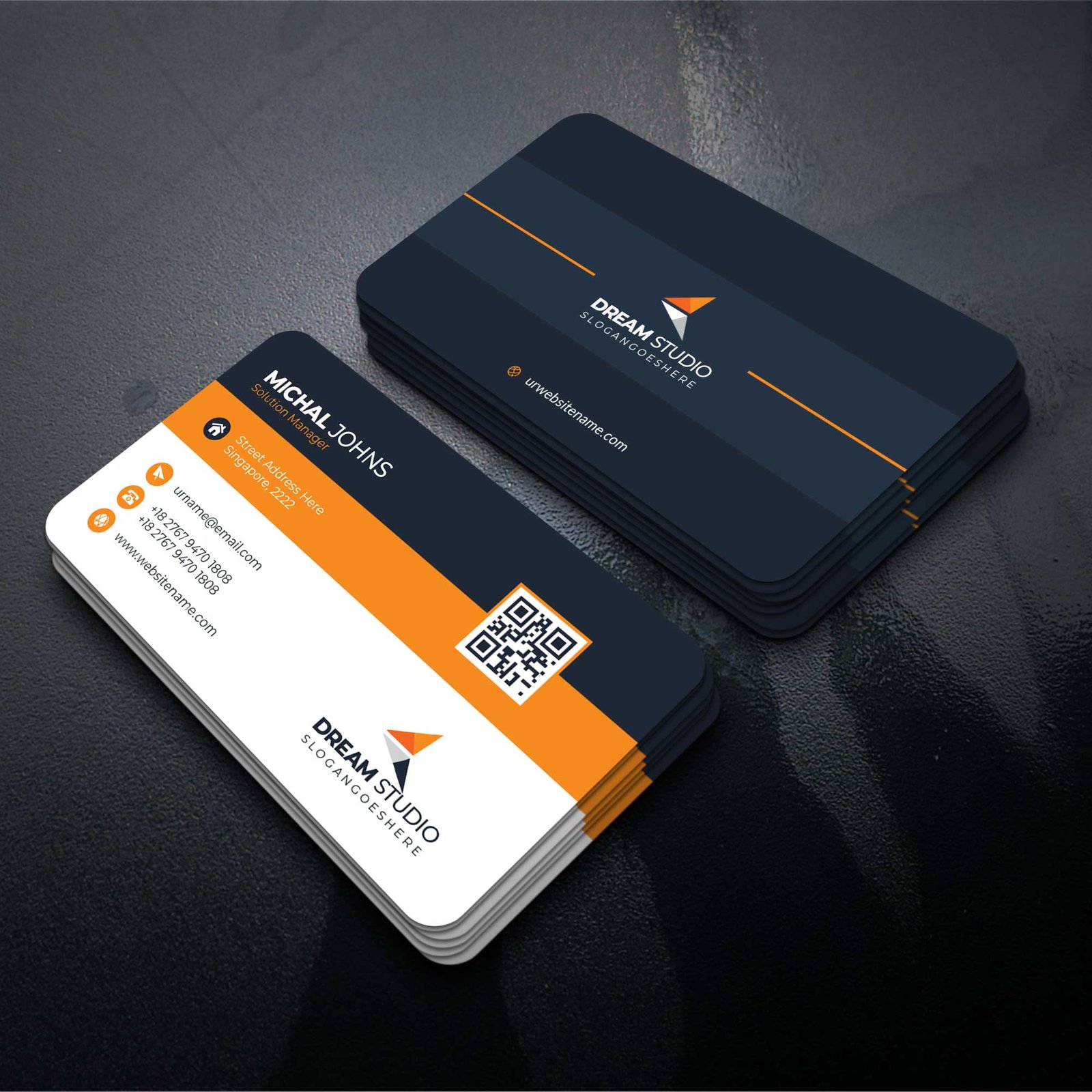
A business card is more than just a small piece of paper—it’s a powerful tool that creates a lasting impression and helps build professional relationships. Whether networking at an event, meeting a potential client, or simply exchanging details, your business card must be informative, clear, and professional. While creative design can help make your card stand out, there is essential information that every business card should contain to serve its primary function.
1. Name of the Individual
Your name is the most vital information on the card because it personalizes the exchange. Ensure it is prominently placed, usually near the top or center of the card. It’s common practice to include both your first and last name. If you have a title or professional designation (such as MBA, CPA, or PhD), you may include that as well to emphasize your qualifications.
2. Job Title
Directly below your name, include your job title. This helps the recipient quickly understand what you do and your role within the company. Whether you’re a “Marketing Manager,” “Graphic Designer,” or “Sales Consultant,” your title provides context and can spark conversation about your specific responsibilities or skills.
3. Company Name and Logo
The company you work for or represent is a key aspect of your professional identity. Be sure to include the full name of your business. The logo should also be displayed prominently. Typically, the logo is placed in the corner of the card or takes up a central position at the top or bottom. This branding element makes your business card memorable and helps establish your company’s presence.
4. Contact Information
Contact information is one of the most critical parts of your business card. Make sure to include at least one, and ideally two, reliable ways to reach you. Here’s what to consider including:
- Phone Number: Include your direct work line, or, if you’re a freelancer or small business owner, your mobile number may be appropriate.
- Email Address: Ensure you provide a professional email address associated with your company’s domain, rather than a personal email.
- Website: If your company has a website, include the URL. This provides recipients with easy access to more information about your business or services.
5. Physical Address
In today’s digital world, it’s not always necessary to include a physical address on your business card, especially for remote workers or online businesses. However, if you run a brick-and-mortar store or if your physical location is a key part of your business, such as in retail or real estate, including the address is essential.
6. Social Media Handles
Many businesses and professionals use social media for branding, marketing, and networking. You can include your business’s social media handles (e.g., LinkedIn, Instagram, or Twitter) on your card, but be selective. Only include platforms where you’re active and engage professionally.
7. Tagline or Brief Description
If space allows, including a short tagline or description can clarify what your business does, especially if your company’s name doesn’t make it immediately obvious. A well-crafted tagline can also help reinforce your brand identity and make your card more memorable.
8. QR Code (Optional)
In recent years, QR codes have become a popular addition to business cards. A QR code can direct the recipient to your website, online portfolio, LinkedIn profile, or even a video introduction. This element provides a seamless bridge between the physical card and the digital world, but it’s optional.
Conclusion
A well-designed business card should reflect your professional image while providing all the necessary information to make follow-up easy. While the exact elements you choose to include may vary depending on your industry or personal style, your name, title, company, and contact information are the core components. By ensuring that your card is clear, concise, and easy to read, you’ll make a strong, professional impression every time.