


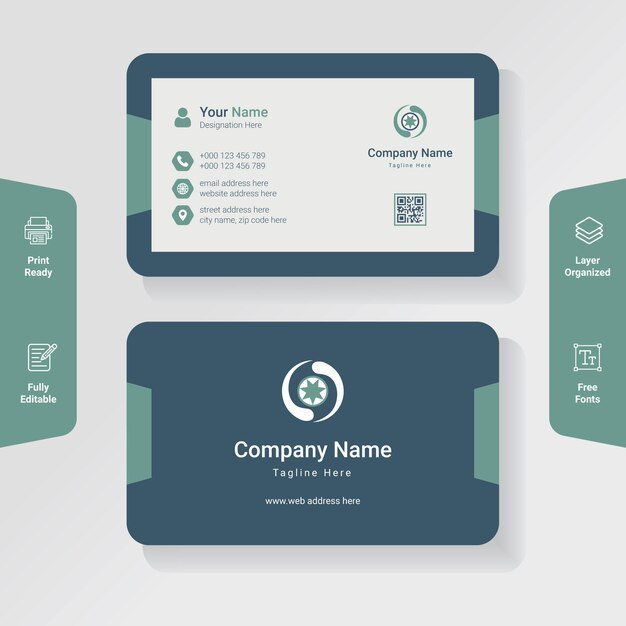
When it comes to business cards, size plays a crucial role in determining their overall appearance and how they fit into wallets, cardholders, and pocket organizers. Choosing the right business card size can influence the card’s usability and the impression it leaves. This guide will walk you through the standard business card sizes used globally, their unique characteristics, and which size might best fit your business needs.
1.Introduction to Business Card Sizes
Business cards have been a staple in professional interactions for centuries. They serve as a quick way to share contact information and leave a lasting impression on potential clients, partners, and colleagues. However, not all business cards are created equal. The size of a business card can vary significantly depending on cultural preferences, industry standards, and personal taste. Understanding these variations can help you choose the right size for your business needs.
2.Standard Business Card Sizes Around the World
Different regions have their own standard sizes for business cards, which are often influenced by local printing traditions and cultural norms. Below are some of the most common standard sizes used around the world:
Standard business Card Sizes In North America
Size: 3.5 x 2 inches (88.9 x 50.8 mm)
Description: The most common business card size in the United States and Canada. It fits well into standard cardholders and wallets.
Europe
Size: 85 x 55 mm (3.35 x 2.17 inches)
Description: Slightly wider and taller than the North American standard, this size is popular in many European countries, including the UK and Germany.
Japan
Size: 91 x 55 mm (3.58 x 2.17 inches)
Description: Japanese business cards, or meishi, are slightly larger than European cards. The additional width allows for more space for vertical writing and characters.
Oceania
Size: 90 x 55 mm (3.54 x 2.17 inches)
Description: This size is common in Australia and New Zealand, closely resembling the European and Japanese standards.
Standard Business Card Sizes In Other Regions
India: 3.5 x 2 inches (88.9 x 50.8 mm) – Follows the North American standard.
China: 90 x 54 mm (3.54 x 2.13 inches) – Similar to the Oceania standard but slightly different.
3. Factors to Consider When Choosing a Business Card Size
Choosing the right size for your business card involves more than just picking a standard. Here are some factors to consider:
Usability
A card that fits easily into wallets and cardholders will be more likely to be kept and referenced. Consider the average size of these holders when designing your card.
Cultural Preferences
Understanding the cultural norms of your target audience is crucial. For instance, the Japanese meishi exchange ritual places high importance on the design and size of business cards.
Printing Costs
Unconventional sizes can increase printing costs. Standard sizes are often more cost-effective and easier to produce.
Design Space
The size of your business card will affect the space available for your design elements. Make sure your chosen size allows enough room for your logo, contact information, and any other essential details.
4. Creative Uses of Business Card Sizes
While sticking to standard sizes is often the best route, there are times when thinking outside the box can make your business card stand out. Here are some creative uses of business card sizes:
Folded Business Cards
Folded cards can double the amount of space available without straying from standard dimensions when folded. These are great for adding additional information or creative designs.
Mini Business Cards
Mini cards (e.g., 2.75 x 1.1 inches or 70 x 28 mm) offer a unique, compact option that can catch the eye. However, they may not fit standard cardholders.
Square Business Cards
Square cards (e.g., 2.5 x 2.5 inches or 65 x 65 mm) are unconventional and can create a memorable first impression. Just ensure the design is clean and not too crowded.
5. Tips for Designing Effective Business Cards
Designing a business card is both an art and a science. Here are some tips to ensure your business card is effective, regardless of its size:
Keep It Simple
Avoid cluttering your card with too much information. Stick to the essentials: your name, title, company name, contact information, and logo.
Use High-Quality Materials
A thick, high-quality card stock will make your card feel substantial and convey a sense of professionalism.
Incorporate Your Branding
Ensure your business card reflects your brand’s colors, fonts, and overall style. Consistency is key in building brand recognition.
Include a Call to Action
Include a call to action, such as “Visit our website” or “Connect with me on LinkedIn,” to encourage recipients to take action.
6. Conclusion
Choosing the right business card size is an important step in creating a card that is not only functional but also memorable. By understanding the standard sizes used around the world and considering factors like usability, cultural preferences, and design space, you can select a size that best fits your business needs. Whether you stick to a traditional size or opt for a more creative approach, the goal is to leave a lasting impression that reflects your professionalism and brand identity.
